Real Estate Investing
Can You Actually Buy 5 Properties in 5 Years? (Strategy Breakdown)
 Ian Anderson · NMLS ##1849097
How do you buy 5 rental properties in 5 years?
You buy five rental properties in five years by using a repeatable process, not a huge lump sum. Three strategies work: house hacking a one-to-four unit property with owner-occupied financing, the BRRRR method that recycles capital through renovation and refinance, and consistently buying turnkey rentals. Property one is the hardest because it teaches financing, tenants, and deal analysis.
How do you buy 5 rental properties in 5 years?
You buy five rental properties in five years by using a repeatable process, not a huge lump sum of cash. Three strategies make it realistic: house hacking a one-to-four unit property with owner-occupied financing, the BRRRR method that recycles your capital through renovation and refinance, and consistently buying turnkey rentals each year. Property one is the hardest because it teaches you financing, tenants, and deal analysis.
For a lot of people, buying five rentals sounds like something you need a million dollars to pull off. You don't. And the funny part is that property number five usually isn't the hardest one. Property number one is. Once you own the first property, you start building equity, collecting rent, and learning the process. You potentially create capital you can use again, so you're not starting from zero every time.
Below are three realistic ways people build a portfolio. One uses very little money upfront. One recycles the same capital. One is simple if you already have the money.
What is house hacking and why does it work?
House hacking sounds more complicated than it is. You buy a property, live in part of it, and rent the rest out. That could mean buying a normal house and renting bedrooms to roommates. The version I like most is buying a small multifamily property like a duplex, triplex, or four-unit. You live in one unit and rent the others.
There's a reason one-to-four unit properties are so interesting. Even though you may be collecting rent from several units, they can still fall under residential mortgage financing when you occupy the property as your primary residence. That opens up financing options you normally wouldn't have on a pure investment property.
For example, FHA financing can allow an eligible owner occupant to purchase with a low down payment. There are additional rules, especially with three and four unit properties, so not every property automatically qualifies. But the basic idea is powerful. Instead of needing a large investment-property down payment, you could control several rentable units using owner-occupied financing.
Here's how the math tends to work. Imagine a duplex where each side rents for a similar amount. You live in one unit and rent the other. Instead of covering the entire housing payment yourself, your tenant covers a big piece of it. Compared to renting a similar place, you may reduce your own housing expense by hundreds per month while the property gets paid down.
If you want to be more aggressive, you can rent the extra bedrooms in your own unit too. Now rent from the other unit plus roommate rent can offset most or all of your housing payment. That's why house hacking can be such a strong first step.
Can you turn a house hack into a rental later?
With owner-occupied financing, the intention is that you actually live there as your primary residence. You generally need to establish legitimate occupancy and comply with the loan program's requirements, as explained in the Consumer Financial Protection Bureau's mortgage resources. This is not a "pretend I live there for two weeks" plan.
But if you legitimately live there, satisfy the occupancy requirement, and later move into another primary residence, that first property can potentially stay behind as a rental. Now you have property number one, and you can start thinking about property number two.
What is the BRRRR method?
Maybe you have no interest in moving every year or living next to your tenants. Fair enough. That brings us to BRRRR: buy, rehab, rent, refinance, repeat.
BRRRR is the idea of creating equity yourself instead of waiting years for appreciation to do it. You buy a property that needs work, renovate it, increase its value, rent it, then refinance against that higher value to recover some of the money you originally invested. You take that recovered capital and use it again.
Use round numbers. Say you buy a distressed property and, between your down payment, renovation, carrying costs, and other expenses, you have a chunk of your own capital tied up. After the renovation, the property appraises higher. You refinance into longer-term rental financing. Depending on the new value, your existing payoff, seasoning rules, and cash-out limits, you may recover a big portion of that capital.
That's why I don't like the social media version of BRRRR where someone claims they get every dollar back and repeat forever. Sometimes that doesn't happen, and the strategy still works. If you put capital in and recover most of it, you still own the rental and only a fraction of your original money is trapped. The rest is free to go to work again. You're recycling capital faster than someone who leaves every dollar sitting in one rental.
BRRRR requires more work. You need a property with enough margin, a realistic rehab budget, a realistic after-repair value, and a clear picture of the refinance before you buy. The exit loan is part of the deal from day one. If you're new to renovations, start with cosmetic work like paint, flooring, fixtures, and kitchens. Learn to crawl before you sprint.
Is buying turnkey rentals a smart strategy?
Strategy three is less exciting, but for some investors it's the smartest option: deploy your capital consistently. No roommates, no moving every year, no construction crews. You simply buy a good rental property every year.
Maybe you've built up savings, earn a strong income, have money in a brokerage account, or invest with a partner. Rather than engineering a complicated plan, you buy a solid turnkey rental with a standard investment-property down payment, get it rented, then buy another next year. Do that consistently for five years and you own five properties.
People hear "five rentals" and imagine someone writing a giant check. That's not how most investors build. Property one, then two, then three. Rent comes in. Income grows. You save more. Some properties appreciate. Loans get paid down. Capital gets redeployed and compounds. This option needs more money upfront than house hacking, but it causes much less disruption to your life. That's the trade.
Do you have to pick just one strategy?
No. A lot of successful investors mix all three. Maybe your first property is a house hack. A couple years later you have more savings, so you buy a turnkey rental. Then you find a value-add opportunity and run a BRRRR. Maybe you partner with someone where one person brings capital and the other finds and manages deals.
Real portfolio building is messy. It usually isn't five identical transactions done exactly twelve months apart. You use the strategy that fits the stage of your life.
If you don't have much capital and you're willing to move or share space, look hard at house hacking. If you enjoy finding undervalued properties and creating value, learn BRRRR. If you already have the income and capital and don't want another job, buy turnkey rentals. If two of those fit, use both. Keep in mind rental income and expenses have tax implications, so review the IRS guidance on residential rental property as you plan.
Map out your path from zero to one
All the numbers in this discussion are examples. A duplex price in one market may not exist in another. Your payment depends on taxes, insurance, mortgage insurance, and the rate available to you. Your BRRRR refinance depends on the appraised value and the financing you qualify for. The point isn't to memorize a dollar figure. It's to figure out which strategy gets you to rental property number one.
Once you solve number one, number two gets easier. You understand the financing, the tenants, the repairs, and what makes a good deal. That's how five properties in five years becomes realistic. Not because someone found a secret loan, but because they built a repeatable process.
If you want to know which strategy fits your situation, schedule a strategy call. Tell me what you earn, what you have available for a down payment, whether you'd consider living in the property, your target markets, and what you want your portfolio to look like in five years. Then we work backwards and map out your first move.
Frequently asked questions
Do you really need a million dollars to buy 5 rental properties? +
No. Most investors build portfolios over time, not with one giant check. House hacking lets you start with a low owner-occupied down payment. The BRRRR method recycles capital so you reuse the same money across deals. Buying turnkey rentals needs more cash per property but spreads purchases across years. As rent comes in, income grows, loans get paid down, and capital gets redeployed and compounds. The key is building a repeatable process and solving property number one first.
What is house hacking in real estate? +
House hacking means buying a property, living in part of it, and renting the rest out. That can be renting bedrooms in a single-family home or buying a duplex, triplex, or four-unit and living in one unit while renting the others. Because one-to-four unit properties can qualify for residential, owner-occupied financing when you live there as your primary residence, you may buy with a much smaller down payment than a pure investment property requires. Your tenants help cover the housing payment.
How does the BRRRR method work? +
BRRRR stands for buy, rehab, rent, refinance, repeat. You buy a property that needs work, renovate it to increase its value, rent it out, then refinance against the higher value to recover part of your invested capital. You reuse that recovered money on the next deal. Success depends on finding a property with enough margin, a realistic rehab budget, a realistic after-repair value, and knowing your refinance terms before you buy. You won't always recover every dollar, and that's still fine.
Can I convert an FHA house hack into a rental property? +
Potentially, yes. Owner-occupied financing requires you to legitimately live in the property as your primary residence and satisfy the loan program's occupancy requirements. It is not a plan to pretend you live there briefly. If you genuinely occupy the home and later move into a new primary residence, that first property can often stay behind as a rental. Always confirm the specific occupancy rules for your loan program before you plan on converting.
Which rental strategy is best for beginners? +
It depends on your situation. If you have limited capital and are willing to move or share space, house hacking is often the strongest first step. If you enjoy finding undervalued properties and creating value through renovation, learn BRRRR, but start with cosmetic work rather than major structural projects. If you already have strong income and capital and don't want extra work, buying turnkey rentals is simplest. Many investors combine strategies as their finances and goals change over time.
How much down payment do you need for an investment property? +
Pure investment properties typically require a larger down payment than owner-occupied homes, often in the 20 to 25 percent range depending on the loan program and property. That's a key reason house hacking is appealing for a first deal, since living in a one-to-four unit property can open owner-occupied financing with a much smaller down payment. Your exact requirement depends on the property, loan type, your qualifications, and market factors, so review options with a lender before you shop.
Sources
- FHA Loans and HUD Homes — U.S. Department of Housing and Urban Development
- Owning a Home — Consumer Financial Protection Bureau
- Topic No. 414, Rental Income and Expenses — Internal Revenue Service
About the author
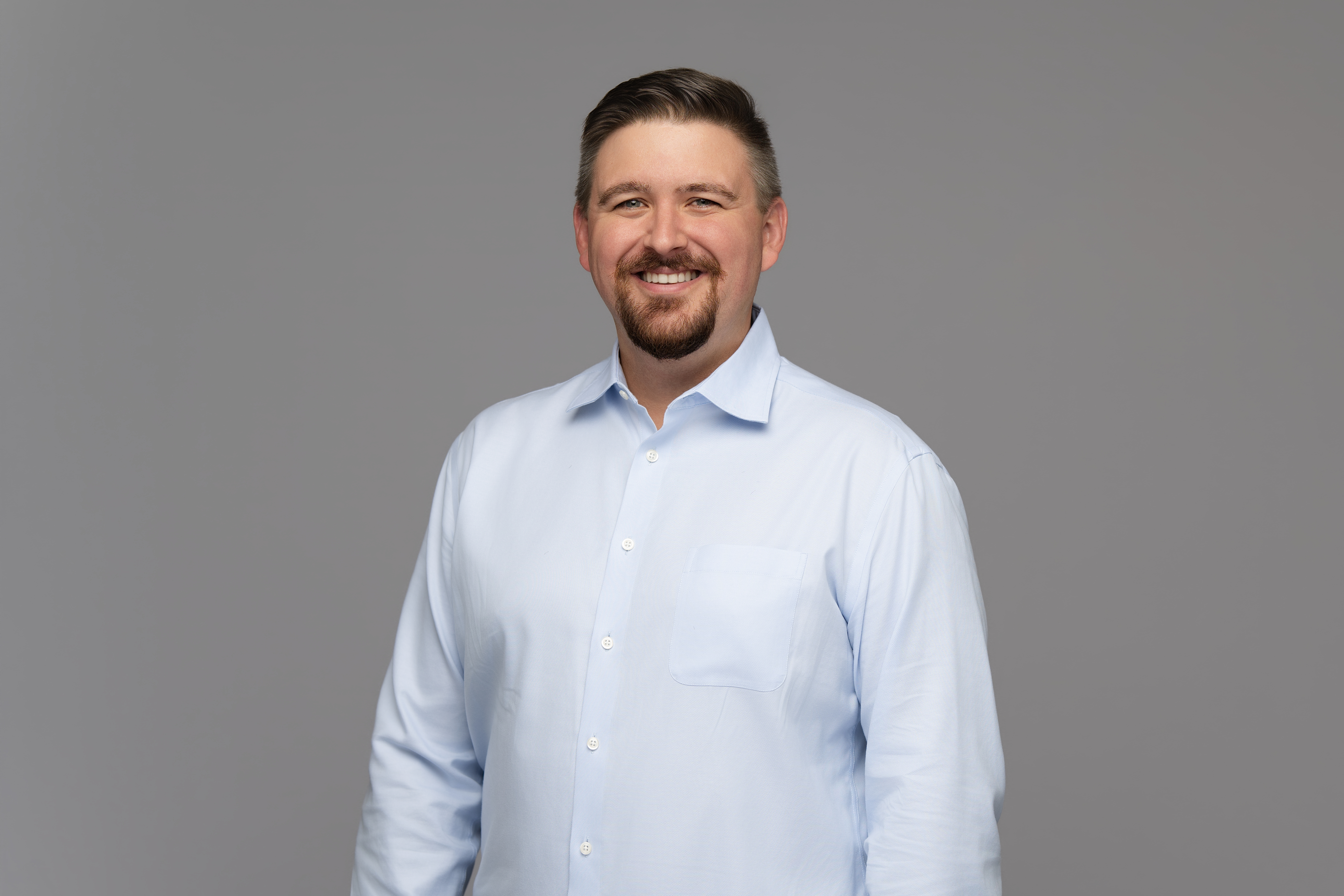
Ian Anderson — President / Sr. Loan Advisor
NMLS ##1849097
Ian Anderson is the founder of Fisherman Mortgage Services, a Tampa Bay-based brokerage licensed in Florida, Georgia, and Wisconsin. A top 1% loan officer, he serves buyers across Tampa, St. Pete, and Bradenton with an education-first approach: know more, borrow better.
Ready to talk numbers?
Schedule a 15-minute call. We'll walk through your situation and show you what's actually possible — no pressure, no pitch.
Book a call